
Storms can change your property in minutes. Strong winds, heavy snow, hail, and lightning often leave trees broken, leaning, or completely uprooted. Acting quickly can reduce safety risks and prevent further damage to your home. Emergency & Storm Damage Tree Removal becomes necessary when damaged trees threaten your family, property, or nearby structures. Knowing the right steps can help you stay safe, limit costly repairs, and make informed decisions. This guide explains how to assess storm damage, recognize warning signs, and know when professional help is needed.
Stay Safe Before You Inspect the Damage
The first priority after a storm is personal safety. Avoid rushing outside until the weather has cleared. Even when the storm has passed, hidden hazards may remain. Broken limbs can fall without warning, and damaged trees may be unstable.
Walk around your property carefully and inspect from a safe distance. If you notice branches touching power lines, keep everyone away from the area and contact your utility company immediately. Never attempt to remove branches near electrical lines because they can still carry electricity.
Look for cracks in the trunk, exposed roots, hanging limbs, or trees leaning more than usual. These signs often indicate structural damage that can become dangerous if ignored.
When You Need emergency tree removal in Billings MT
Not every damaged tree needs to be removed right away, but some emergency tree removals require immediate action. A tree that threatens people, buildings, vehicles, or public spaces should be assessed as soon as possible.
Here are the most common situations that require urgent attention:
- A tree has fallen on your home, garage, fence, or driveway.
- Large branches are hanging over walkways or roofs.
- The trunk has split or cracked deeply.
- The tree has started leaning after the storm.
- Roots have lifted from the ground.
- The tree is blocking roads or emergency access.
Professional arborists have the equipment and training to remove dangerous trees without creating additional risks.
Understand the Hidden Risks of Storm-Damaged Trees
Some storm damage is easy to see. Other problems remain hidden until weeks later. A tree may still have green leaves even though its structure has been weakened.
Strong winds can twist the trunk and create internal fractures. Heavy snow can place extra weight on limbs, causing slow cracks that grow over time. Saturated soil may loosen the root system, making the tree unstable even after the weather improves.
Because these problems are difficult to identify without experience, a professional inspection provides valuable peace of mind. Early action often prevents larger repair costs in the future.
Why Fast Action Protects Your Property
Waiting too long to deal with damaged trees can create more expensive problems. Weak limbs may fall during the next windy day instead of the original storm. Leaning trees may continue shifting until they collapse.
Quick action helps reduce damage to roofs, driveways, fences, vehicles, and landscaping. It also lowers the chance of injuries to family members or visitors.
A qualified storm damage tree service Billings team can evaluate the condition of the tree, recommend the safest solution, and complete the work efficiently.
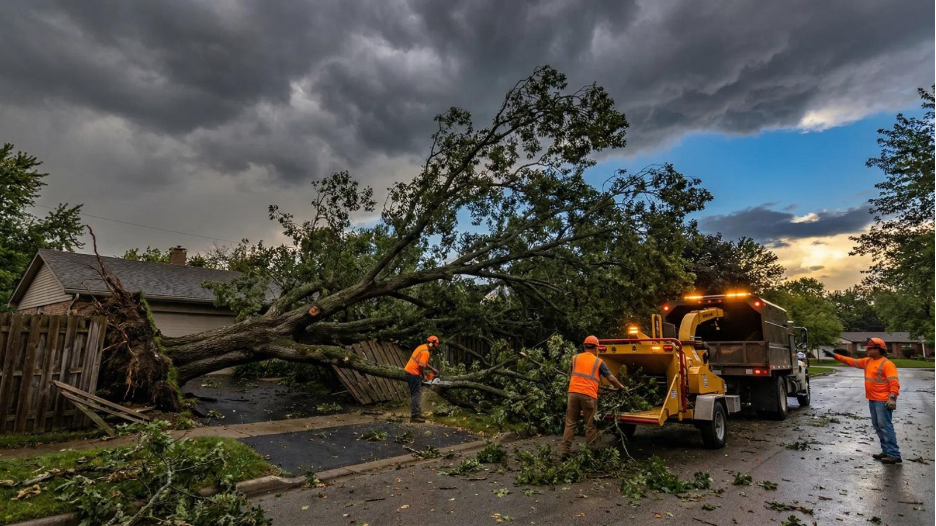
What Happens During a Professional Tree Removal Service
Many homeowners wonder what to expect after calling a tree company. The process usually begins with an inspection of the damaged area. The crew identifies potential hazards and develops a safe removal plan.
Specialized equipment allows large sections of the tree to be removed in a controlled manner. This approach protects nearby structures and reduces additional property damage. Once the tree has been removed, the crew clears branches and debris from the work area.
If the remaining stump creates a safety hazard or affects future landscaping, many homeowners also choose stump removal Billings MT to restore the appearance and usability of their yard.
Can a Damaged Tree Be Saved?
Not every storm-damaged tree needs to come down. Some trees recover well with proper care if the damage is limited.
Healthy trees with only a few broken branches often benefit from professional pruning. Removing damaged limbs allows the tree to heal naturally while maintaining its strength.
However, trees with severe trunk damage, extensive root failure, or major structural cracks usually cannot recover safely. In these situations, removal becomes the best long-term solution.
A trained arborist can determine whether preservation or removal is the safer option.
Insurance and Storm Damage
Many homeowners are unsure whether insurance covers storm-related tree removal. Coverage often depends on where the tree falls and what it damages.
If a tree falls onto your house, garage, or another insured structure, your homeowner’s policy may cover removal costs along with repairs. If the tree falls in the yard without damaging insured property, coverage may be limited or unavailable.
Taking photographs before cleanup begins can help support your insurance claim. Keep records of inspections, estimates, and completed work in case your insurance company requests documentation.
Choosing the Right Tree Care Company
After severe weather, many companies advertise emergency services. Choosing a qualified contractor helps ensure the work is completed safely.
Look for a company with experienced crews, proper insurance, professional equipment, and strong local knowledge. Reading customer reviews and asking about safety procedures can also help you make an informed decision.
A trusted provider of hazardous tree removal in Billings services will explain the condition of your tree, answer your questions honestly, and recommend only the work that is truly necessary.
Why Local Experience Matters
Billings experiences a variety of weather conditions throughout the year. High winds, spring storms, heavy snow, and sudden temperature changes all affect tree health differently.
Local professionals understand which tree species commonly suffer storm damage in the area. They also know how local soil conditions, seasonal weather, and regional growth patterns influence tree stability.
This experience allows them to recommend practical solutions that fit the specific conditions found in Billings properties.
Signs Your Trees Need Preventive Care
Storm preparation begins long before severe weather arrives. Regular maintenance reduces the chance of major damage during future storms.
Property owners should schedule inspections if they notice dead branches, fungal growth, hollow trunks, or trees growing too close to buildings. Preventive pruning also removes weak limbs before they become dangerous.
Routine tree care improves safety while extending the life and appearance of healthy trees.
Why Homeowners Trust emergency tree removal Billings MT
When a tree becomes dangerous, experience makes a difference. Skilled professionals know how to assess risks, protect surrounding property, and complete removal efficiently without unnecessary damage.
Working with trained experts also saves homeowners from attempting risky do-it-yourself projects. Storm-damaged trees often behave unpredictably, making professional equipment and proper safety procedures essential for every job.
Reliable service, clear communication, and careful cleanup give homeowners confidence during an already stressful situation.
Protect Your Property with Alpine Tree & lawn
When severe weather leaves your property unsafe, choosing the right team can make all the difference. At Alpine Tree & lawn, we provide prompt inspections, safe tree removal, and thorough cleanup to help restore your property with confidence. Whether you are dealing with fallen trees, broken limbs, or storm-related hazards, our experienced crew is ready to respond with professional care. Trust Alpine Tree & lawn for reliable emergency and storm damage tree removal services that put your safety first. Contact us today for fast, dependable assistance when you need it most.
Frequently Asked Questions
Find answers to common questions about storm-damaged trees, tree removal, stump grinding, and preparing your property before severe weather.
A damaged tree should be inspected as soon as the storm has passed and it is safe to enter the area. Early inspections help identify hazards before they become more serious.
Small branches may be manageable, but large or unstable trees should always be handled by trained professionals using the proper equipment and safety procedures.
No. Some leaning trees can be stabilized, while others become unsafe. A professional assessment is the best way to determine whether the tree should be preserved or removed.
It depends on your landscaping goals. Stump grinding improves safety, prevents pests, reduces trip hazards, and creates more usable yard space.
High winds, saturated soil, weak root systems, internal decay, heavy snow or ice, and hidden structural defects are some of the most common causes of tree failure during severe weather.
Regular tree inspections, pruning dead or damaged branches, monitoring tree health, and removing hazardous trees can significantly reduce the risk of storm damage.