
Montana weather can change fast. Cold winters, dry summers, strong winds, and sudden storms can affect yard trees. Good tree maintenance helps prevent small issues from becoming costly problems. But tree care is not a once-a-year job. Each season brings a different task. This guide explains what to check in spring, summer, fall, and winter. You will learn when to prune, how to water, what signs to watch for, and when to call a professional. With a seasonal plan, Billings homeowners can protect their trees, improve safety, and support healthy growth through changing Montana weather with less stress each year.
Spring: Inspect, Clean Up, and Plan
Start with a close look after winter. Check for broken limbs, dead branches, cracks, and loose bark.
Montana State University Extension recommends pruning most landscape trees during the dormant season, from late winter into early spring. Dead, damaged, and diseased branches can be removed when needed. Avoid heavy late-summer and fall pruning because it can push tender growth that may suffer cold damage.
Spring checklist
- Inspect trunks and major limbs for winter damage.
- Remove dead, broken, or diseased branches when safe.
- Check stakes and ties on young trees.
- Refresh mulch without piling it against the trunk.
- Check soil moisture as temperatures rise.
If a tree has high limbs, weak branch unions, or damage near a structure, get a professional assessment before cutting.
Summer: Water Deeply and Watch for Stress
Summer care often comes down to water. Heat, dry soil, and wind can increase moisture loss. Shallow watering may not reach deeper roots. Montana State University Extension recommends slow, deep watering and notes that mulch can help reduce moisture loss.
Water around the root zone, not only at the trunk. Check soil moisture before watering and adjust for rainfall.
Watch for:
- Wilting or dull leaves
- Brown leaf edges
- Early leaf drop
- Dry soil
- Thin or weak new growth
Organic mulch can help hold moisture and keep soil cooler. Leave space around the trunk to reduce bark problems.
Young trees need closer attention than established trees. Their roots are still developing, so dry soil can affect them faster. Newly planted trees also need checks after storms, hot spells, and long dry periods. Adjust care as site conditions change.
tree health & pruning: What to Watch
Good tree health & pruning work go together. Pruning can remove damaged wood, improve structure, and reduce safety risks.
Do not remove too much at once. MSU Extension advises against removing more than about one-third of a tree’s branches in one session. Large limbs need proper tools and experience.
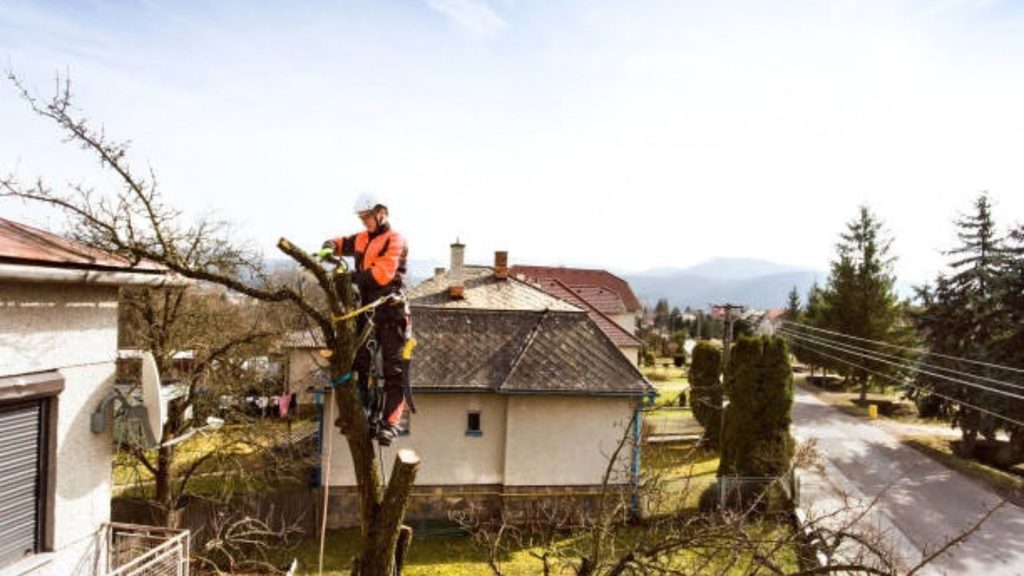
Avoid topping trees. Cutting back large sections of the crown can create weak new growth and large wounds. If branches are high, heavy, close to power lines, or near a home, professional help is safer.
Fall: Prepare Trees for Montana Winter
Fall is a key preparation period. Keep watering as needed while the ground remains workable, especially during dry weather.
Evergreens need special attention because they can lose water in winter. MSU Extension advises watering evergreens before winter and, during dry winter periods, providing supplemental water when temperatures are above 40°F and there is little or no snow cover.
Before the ground freezes, inspect the canopy. Keep mulch away from the trunk.
Do not make heavy pruning a fall routine. Late-season pruning can encourage tender growth that is more exposed to winter injury.
Winter: Check for Damage and Safety Risks
Winter care still matters. Snow, ice, and wind can expose weak branches.
After a storm, look from the ground first. Check for hanging limbs, split branches, leaning trees, and branches resting on roofs or other structures. Do not climb a damaged tree or work near a power line.
If a tree has a serious structural problem, keep people away and call a tree professional. Emergency work may be needed when a damaged limb threatens a home, driveway, vehicle, or other property.
What Does Tree Treatment in Billings Involve?
Tree treatment in Billings depends on the problem. A professional may inspect leaves, branches, bark, soil, and growth. Causes may include drought, winter injury, pests, disease, or site issues.
Treatment should match the cause. Applying products without knowing the problem can waste money or harm the tree. If you notice browning, thinning foliage, dead branches, or unusual growth, have the tree assessed first.
Keep Your Trees Ready for Every Season
Good tree maintenance is about steady care, not one big job. Seasonal checks can help you find damaged limbs, dry soil, weak growth, and other concerns before they become bigger problems. A simple plan also makes it easier to know when pruning or treatment is needed. Alpine Tree & lawn can help Billings homeowners inspect, prune, and care for trees through changing Montana conditions. If you are unsure about a tree in your yard, schedule a professional assessment. Early attention can protect your property, support healthier growth, and help your trees stay safe for years to come and reduce avoidable safety risks.
Frequently Asked Questions
When is the best time to prune trees in Billings?
Late winter to early spring is generally best for pruning many landscape trees. Dead, damaged, and diseased branches may need attention sooner.
How often should I water trees in summer?
It depends on the tree, soil, weather, and age. Water slowly and deeply when soil is dry, and adjust after rainfall.
Should I water trees in winter?
Sometimes. During dry periods with little snow, evergreens may need water when temperatures are above 40°F. Water around the root zone, not only at the trunk.
Can I prune a storm-damaged tree myself?
Small branches may be manageable with the right tools and experience. Avoid climbing damaged trees or cutting large limbs. Call a professional when safety is a concern.
Why are my tree leaves turning brown?
Brown leaves can result from drought, heat, wind, winter injury, pests, or disease. Check soil moisture and other symptoms before treatment.
Is mulch good for trees?
Yes. Mulch can conserve soil moisture and reduce grass competition. Keep it away from the trunk and avoid deep layers.