
Healthy trees add shade, beauty, and value to your property. Yet trees in Billings face strong winds, dry weather, pests, and seasonal stress. Regular pruning helps manage these risks and keeps trees strong longer. Alpine Tree & Shrub Care offers careful tree care, from removing weak branches to improving tree structure. Good pruning is not simply cutting branches. It requires knowing where to cut, how much to remove, and when to do the work. This guide explains the basics of alpine tree and shrub care and shows why proper pruning matters for homes, businesses, and landscapes in Billings, Montana today.
Why Tree Pruning Matters in Billings
Trees grow in many directions as they age. Some branches become weak, crowded, or damaged. Others may grow too close to a roof, driveway, fence, or power line. Without proper care, these branches can become a safety risk.
Pruning helps control unwanted growth. It also improves the shape of a tree and allows more air and light to reach the canopy. This can support healthier growth and reduce stress on the tree.
Billings also has weather conditions that can put trees under strain. Strong winds can break weak limbs. Heavy snow can add weight to branches. Dry periods can affect tree health. Good pruning can reduce some of these risks when it is done with care.
The goal is not to remove as many branches as possible. A healthy tree should keep enough live growth to support itself. Removing too much at once can weaken the tree and lead to new problems.
How Alpine Tree Care Supports Healthy Growth
Good pruning starts with a close look at the tree. The age, species, size, structure, and location all matter. A branch that should be removed from one tree may be useful on another.
Proper alpine tree care focuses on the needs of the whole tree. The work should improve structure while keeping the natural form of the tree.
Pruning can also help prevent small problems from becoming large ones. Dead branches can be removed before they fall. Crossing branches can be corrected before they cause rubbing. Dense growth can be reduced when needed.
Common reasons to prune a tree
- Remove dead, broken, or diseased branches.
- Improve the shape and structure of the tree.
- Reduce branches that are close to buildings.
- Improve air movement through dense growth.
- Remove branches that cross or rub together.
- Reduce some safety risks before severe weather.
- Support healthy and balanced growth.
Professional pruning is also useful when a tree has grown too close to a home or other structure. Cutting the wrong branch can create long-term damage. A trained professional can decide which cuts are needed and which branches should remain.
Tree Pruning Billings: When Is the Right Time?
There is no single pruning schedule for every tree. The right time depends on the tree species, its health, the reason for pruning, and local conditions.
Some trees respond well to pruning during their dormant period. Others may need attention at a different time. Dead or hazardous branches may need to be removed as soon as they are found.
Homeowners should also watch the condition of their trees after storms. A branch that looks stable from the ground may have hidden cracks. Broken limbs can also hang in the canopy and fall without warning.
This is why tree pruning billings should be based on an inspection rather than a fixed calendar. A professional can look for weak unions, deadwood, poor branch angles, and signs of stress.
Regular checks can also help you plan work before a small issue becomes expensive. Preventive pruning is often easier than dealing with major damage later.
Signs Your Trees May Need Professional Attention
Trees do not always show clear signs of trouble. Some problems begin inside the canopy or near the trunk. Others become visible only after a storm.
Look closely at your trees during different seasons. Changes in bark, leaves, branches, or growth can provide useful clues.
Some signs need prompt attention. A large dead branch over a walkway is more than a cosmetic issue. A split limb near a roof can also create a serious hazard.
Other signs may point to a health problem. Thin foliage, unusual leaf color, dead branch tips, or holes in the bark can have several causes. The right treatment depends on what is affecting the tree.
Plant Treatment Services Billings MT: When Trees Need More Than Pruning
Pruning can improve tree structure, but it does not solve every tree health problem. Some trees need help with pests, disease, soil conditions, or nutrient issues.
Plant treatment services billings mt can be useful when a tree shows signs of stress that cannot be solved through pruning alone. A proper assessment can help identify the cause before treatment begins.
Treatment should never be based on guesswork. Different pests and diseases need different solutions. Applying the wrong product can waste money and may cause further stress.
A good care plan may include inspection, soil care, targeted treatment, and follow-up visits. The goal is to protect the tree while addressing the cause of the problem.
How Pruning and Plant Care Work Together
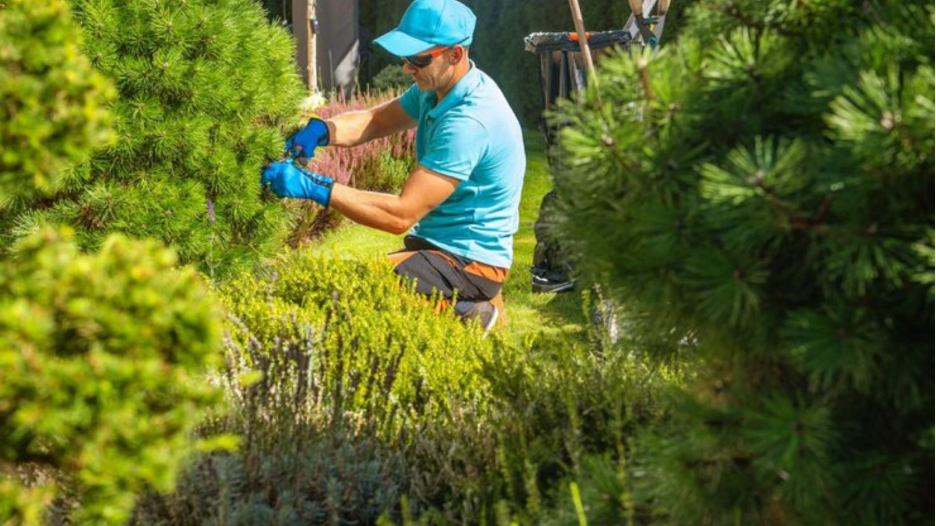
Tree care works best when pruning and plant health are viewed as parts of the same plan. A tree may need deadwood removal and treatment for an underlying issue. Another tree may only need structural pruning.
Alpine Tree & Lawn can help property owners understand what their trees need. A careful assessment can help separate normal seasonal changes from signs of a deeper problem.
The same approach applies to shrubs and other landscape plants. Dense growth, dead stems, pests, and disease can affect the look and health of a landscape. Regular care can help keep these issues under control.
The best plan is often simple. Inspect the trees, identify the problem, complete the needed work, and monitor the results.
What to Expect From a Professional Pruning Service
A professional visit should begin with an assessment. The tree should be checked from the ground, and larger or complex trees may require a closer inspection.
The service provider should explain what needs to be done and why. This helps the property owner understand the work before it starts.
During pruning, cuts should be made with care. Large limbs may require proper rigging to protect the property below. The work area should also be managed to reduce risks to people, vehicles, buildings, and landscaping.
Cleanup is another important part of the service. Branches and debris should be removed so the property is left neat and usable.
Alpine Tree Care for Homes and Businesses
Healthy trees matter on both residential and commercial properties. Homeowners want safe yards and attractive landscapes. Businesses need properties that look clean and well maintained.
Regular alpine tree care can help reduce sudden tree problems and make maintenance easier to plan. Commercial properties may also benefit from scheduled inspections and seasonal pruning.
Property managers, business owners, and homeowners should not wait for a major branch failure before thinking about tree maintenance. Small issues can become harder to manage as trees grow.
A planned approach can help protect the landscape while keeping trees in good condition.
Protect Your Trees With Alpine Tree & Lawn
Healthy trees need more than occasional cuts. They need care based on age, condition, location, and growth pattern. That is where service can help. Alpine Tree & Lawn provides tree pruning and plant health support for properties in Billings, Montana. Our team can assess your trees, explain the work, and help you choose a care plan. If your trees have dead limbs, poor structure, disease signs, or branches close to your home, it is time to act. Contact Alpine Tree & Lawn to schedule an assessment and keep your landscape safe, healthy, and attractive with alpine tree and shrub care.
Frequently Asked Questions
There is no set schedule for every tree. Pruning needs depend on the tree species, age, health, location, and growth. An inspection can help determine the right schedule.
Yes. Proper pruning can remove dead or damaged growth and improve the tree’s structure. However, too much pruning can harm a tree, so cuts should be planned carefully.
Dead branches can become a safety concern, especially when they are large or located near people and buildings. They should be assessed and removed when needed.
Common signs include unusual leaf color, thinning foliage, dead branches, bark changes, fungal growth, and poor new growth. These signs can have different causes, so an assessment is useful.
Not always. Some tree health problems need treatment for pests, disease, soil conditions, or nutrient issues. Pruning may be one part of a larger care plan.
Call a professional when you see large dead limbs, cracked branches, trees near structures, storm damage, or signs of disease. Large or difficult trees should also be handled by trained professionals.