
Storms in Montana can arrive without warning and leave serious damage behind. Strong winds, heavy rain, and snow can weaken trees and make them fall on homes, driveways, or power lines. In these situations, quick action is important to reduce danger and cost. tree services Billings MT become essential when trees turn unsafe after a storm. Knowing what steps to take can protect your property and keep your family safe. This guide explains what to do right after storm damage and how to handle risky trees in a simple and safe way.
Immediate Safety Steps After Storm Damage
After a storm, the priority is safety. Do not rush outside if you see fallen trees or broken branches near power lines. Electricity can still flow through them, even if they look inactive. Stay at a safe distance and check your surroundings carefully before moving.
If a tree has fallen on your house or blocked an entry, avoid trying to remove it on your own. Heavy branches can shift without warning. Instead, focus on making sure everyone is safe inside the property.
Call emergency services if there is any risk of injury or fire. After that, document the damage from a safe location. Photos will help with insurance claims and repair planning.
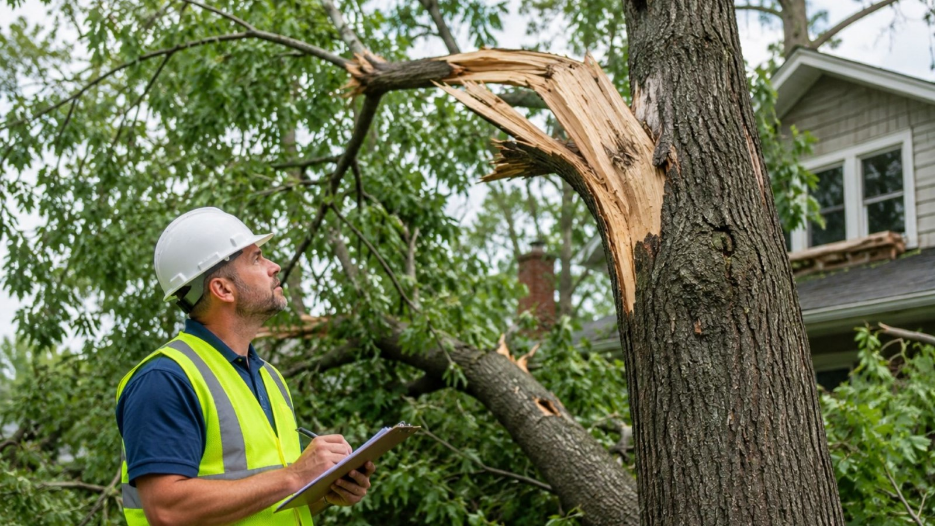
How to Identify High Risk Trees After a Storm
Storm damage is not always obvious at first glance. Some trees may look stable but still be dangerous. Knowing what to look for can help prevent future accidents.
Watch for these warning signs:
- Cracked or split trunk
- Leaning trees that were once straight
- Hanging branches caught in other trees
- Exposed or lifted roots
- Large broken limbs still attached
These signs mean the tree may fail at any time. Even small movement in wind can cause collapse. This is why professional help is often needed after severe weather.
Trees close to homes or power lines are especially risky. If you notice any of these issues, avoid standing under or near the tree. Keep children and pets away until the area is cleared.
Why Professional Help Matters After Storm Damage
Storm-damaged trees are unpredictable. Cutting or moving them without training can lead to injury. Professional crews use special tools and safe removal methods to control the situation.
A trained team can:
- Remove fallen trees safely
- Trim broken branches without causing further damage
- Check nearby trees for hidden risks
- Prevent secondary damage to structures
This is where emergency tree removal Billings MT services play a key role. They respond quickly and handle dangerous trees before they cause more harm. Quick action also helps reduce repair costs for roofs, fences, and driveways.
In many cases, insurance companies also prefer professional documentation of damage. This makes the claims process smoother and faster.
Steps to Take While Waiting for Help
If professional help is on the way, there are still a few safe actions you can take to protect your property. Do not attempt any cutting or climbing work. Instead, focus on reducing risk in simple ways.
- Stay indoors if trees are unstable nearby
- Keep a safe distance from damaged areas
- Turn off electricity if advised by authorities
- Move vehicles away from fallen branches
- Warn neighbors if shared trees are affected
These steps help prevent further accidents while waiting for emergency response. Even small actions can reduce risk significantly.
How Storm Damage Affects Long Term Tree Health
Storms do not only cause immediate damage. They can also weaken trees over time. Even if a tree does not fall, internal cracks and root damage can develop. This makes the tree unstable in future weather conditions.
Damaged trees may show:
- Slow leaf growth
- Dry or dying branches
- Weak structure during wind
- Fungal growth at the base
Ignoring these signs can lead to future hazards. Regular inspection after storms is important, especially in areas with frequent weather changes like Montana.
Preventing Future Tree Emergencies
Prevention is always better than emergency removal. Homeowners can reduce risks by maintaining trees regularly. Proper care keeps trees strong and stable during storms.
Simple prevention steps include:
- Regular pruning of weak branches
- Removing dead or diseased trees early
- Keeping trees away from power lines
- Checking root stability before storm season
- Scheduling seasonal inspections
Healthy trees are less likely to fall or break during strong weather. This reduces emergency costs and protects property long term.
When to Call Experts
Not every tree issue is an emergency, but delay can increase risk. You should call experts immediately if:
- A tree is leaning after a storm
- Large branches are hanging dangerously
- A tree has fallen on property or road access
- Roots are exposed or lifted
- You feel unsure about safety
In these situations, waiting too long can make the problem worse. Quick response ensures safer removal and less property damage.
After the Storm: Keeping Your Property Safe and Secure
Storm damage can create sudden and serious risks for homeowners. Acting quickly and safely is the best way to protect your property. tree services Billings MT are essential when trees become unstable or dangerous after severe weather. Professional help ensure safe removal, reduce risk, and prevent further damage. If you notice any warning signs after a storm, do not ignore them. Early action can save money and protect lives.
For fast response and reliable support, local experts like Alpine Tree provide emergency care when you need it most. Whether it is a fallen tree or a risky branch, timely help ensure your property stays safe and secure.
FAQs
1. What should I do first after storm damage to trees?
Stay safe and avoid damaged areas. Check for power lines and call emergency services if needed.
2. Can I remove a fallen tree myself?
It is not safe. Storm-damaged trees are unstable and should be handled by professionals.
3. How fast should emergency tree services respond?
Most emergency teams respond within a few hours depending on weather conditions and demand.
4. What are signs a tree is dangerous after a storm?
Look for cracks, leaning, exposed roots, and broken hanging branches.
5. Will insurance cover storm-damaged tree removal?
In many cases, yes. It depends on your policy and the cause of damage.
6. How can I prevent tree damage in future storms?
Regular trimming, inspections, and removing weak trees help reduce risk significantly.